In Harvard, backyard composting is easy. We've been doing it for a few years and love the end product, it really helps the garden! We…
My Compost Pile
Submitted by: Patrick Vallaeys
My Compost Pile
Submitted by: Patrick Vallaeys
In Harvard, backyard composting is easy. We've been doing it for a few years and love the end product, it really helps the garden! We also love keeping organics out of the solid waste stream.
We started composting in earnest when we started having to buy the green trash bags for the town transfer station. It's been kind of a…
Composting Reduces Trash in the Landfills
Submitted by: Kathy Dollard
Composting Reduces Trash in the Landfills
Submitted by: Kathy Dollard
We started composting in earnest when we started having to buy the green trash bags for the town transfer station. It's been kind of a game to see how much we can compost rather than throw away. We keep a small bucket from Oxo on the kitchen counter for plant food scraps, as well as egg shells, coffee grounds, used coffee filters, tea bags and used paper napkins. We added the paper scraps when we realized our compost pile would work better with some "brown" materials. We fill the bucket daily - and because we are lazy and it was a pain to take the bucket out to the compost pile every day - we keep a 5-gallon bucket in the garage to empty it into. To this bucket we add plain egg cartons and toilet paper rolls, torn into pieces. Every week or so we empty the big bucket into the compost pile and mix it in with a pitchfork. We also add grass clippings and other plant materials to this pile. Our weekly trip to the transfer station includes just one small green bag - everything else is composted or recycled.
I learned composting from my mother - way before composters were readily available, she would just throw all vegetable waste directly back into her veggie…
Life-long Composter
Submitted by: Molly Cutler
Life-long Composter
Submitted by: Molly Cutler
I learned composting from my mother - way before composters were readily available, she would just throw all vegetable waste directly back into her veggie garden and let it break down over time. We have a fantastic composter which we have used with huge success for 30 years - you can't beat the nutrition-rich black gold that we can add back into our veggie garden.
Backyard composting was second hand to me. Growing up in Billerica, we always had a compost pile thanks to my mom. She grew up in…
Composting Family
Submitted by: Matthew Varrell
Composting Family
Submitted by: Matthew Varrell
Backyard composting was second hand to me. Growing up in Billerica, we always had a compost pile thanks to my mom. She grew up in England and it was part of her family tradition to reuse and recycle in order to save money for a large family. Establishing environmentally friendly traditions makes it easier for the next generation to continue those traditions, allowing one to build on another.
Started backyard composting a few years ago using mostly food scraps from the kitchen. It's been a great way to cut down on food waste…
Backyard Composting
Submitted by: Annabelle Purcell
Backyard Composting
Submitted by: Annabelle Purcell
Started backyard composting a few years ago using mostly food scraps from the kitchen. It's been a great way to cut down on food waste and has also been beneficial to our garden. Overall its low matinence and I would definitely reccomend starting composting.
We have two black compost bins for food scraps. We mix food scraps with leaves that we collect and keep in a third bin, so…
Our composting system
Submitted by: Charlotte Vallaeys
Our composting system
Submitted by: Charlotte Vallaeys
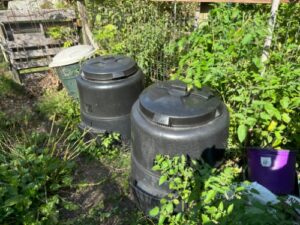
We have two black compost bins for food scraps. We mix food scraps with leaves that we collect and keep in a third bin, so we have a steady supply of carbon-rich brown waste through the winter. We have two bins, which works well for our six-person household. We spread the compost on our veggie garden beds in the spring and fall.
We've been composting since we moved here in 1995. I love cutting down on garbage and enriching our gardens with composted soil.
Gardening gold
Submitted by: Lisa Aciukewicz
Gardening gold
Submitted by: Lisa Aciukewicz
We've been composting since we moved here in 1995. I love cutting down on garbage and enriching our gardens with composted soil.
We opted not to have the backyard composting, but we haven't put food scraps in our trash for over 4 years. We use compostable bags…
Composting with a twist
Submitted by: SusanMary Redinger
Composting with a twist
Submitted by: SusanMary Redinger
We opted not to have the backyard composting, but we haven't put food scraps in our trash for over 4 years. We use compostable bags (for all our trash except for the dreaded Harvard required trash bags for the transfer station) and we put ALL of our food scraps (meat included) into the bag. We then freeze the bags until we are ready to go food shopping at Whole Foods where we put the bags into their compost bin can at the front of the store.
We just got a new bin to hold our compost which is one of my new favorite things. It has a cover w/ a filter…
New compost bin in our trash drawer
Submitted by: Erin McBee
New compost bin in our trash drawer
Submitted by: Erin McBee
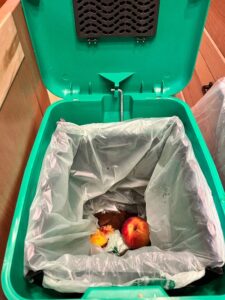
We just got a new bin to hold our compost which is one of my new favorite things. It has a cover w/ a filter and the compostable bag is shut (somewhat) when you shut the top. Now we just need to be sure and keep up with our fruits and veg so we eat them before they compost themselves :)
Since we are on a private septic system, the BOH won't allow a garbage disposal. So we just have a small aluminum pail to hold…
We’ve composted our food scraps for 38 years!
Submitted by: Paul Green
We’ve composted our food scraps for 38 years!
Submitted by: Paul Green
Since we are on a private septic system, the BOH won't allow a garbage disposal. So we just have a small aluminum pail to hold our kitchen scraps, and a couple of times a week, one of us carries it to the compost bin. We rinse out the pail, and the process repeats. We use a large, heavy-duty, purpose-built compost bin rather than an open compost pile to frustrate any animals that might be tempted by food scraps. The bin has a trap door down at the bottom, and by the time stuff makes it to the bottom of the bin, it is turned back into soil. Easy, simple, effective. If there is a downside, it would be that you need to take out the garbage even in the winter, and sometimes the lid gets a little frozen. It doesn't take much sun to warm it up and free it, and banging it with a fist also releases the frost. All in all, it just works.
When we started composting, we hadn't done much if any prior research. We didn't measure green or brown matter. Instead, we piled kitchen scraps, grass…
Compost Pile
Submitted by: Katie Boutelle
Compost Pile
Submitted by: Katie Boutelle
When we started composting, we hadn't done much if any prior research. We didn't measure green or brown matter. Instead, we piled kitchen scraps, grass clippings, fall leaves, and our chickens used bedding. Surprisingly, this worked well and we had no problems with stench. In addition, our chickens loved scratching for bugs and the like. I would highly recommend this!
I’m not sure what group spearheaded this effort but I know Jen Sundeen was actively involved in providing backyard compost barrels at a reduced price.…
Build your own great garden soil!
Submitted by: KARA MCGUIRE MINAR
Build your own great garden soil!
Submitted by: KARA MCGUIRE MINAR
I’m not sure what group spearheaded this effort but I know Jen Sundeen was actively involved in providing backyard compost barrels at a reduced price. It’s great to recycle & turn food scraps into great garden soil.
In Harvard, backyard composting is easy. We've been doing it for a few years and love the end product, it really helps the garden! We…
Compost Happens
Submitted by: Stuart Sklar
Compost Happens
Submitted by: Stuart Sklar
In Harvard, backyard composting is easy. We've been doing it for a few years and love the end product, it really helps the garden! We also love keeping organics out of the solid waste stream.
We have been composting for many years now. All green food scraps from the kitchen as well as lawn & garden refuse go in our…
Composting Now and in the Future
Submitted by: Connie Woolcock
Composting Now and in the Future
Submitted by: Connie Woolcock
We have been composting for many years now. All green food scraps from the kitchen as well as lawn & garden refuse go in our bin. In 2023-24 we will be expanding our single outdoor bin to a multi sectioned wood frame system in order to compost and then utilize additional garden debris.
I started doing composting in May 2022 because it seemed like a pretty sensible way to reduce the volume of outgoing trash and keep food…
Bottomless Pit
Submitted by: John Cushing
Bottomless Pit
Submitted by: John Cushing
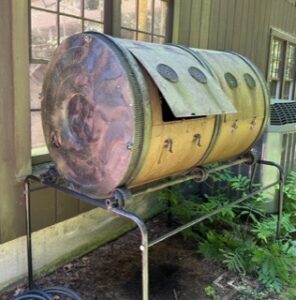
I started doing composting in May 2022 because it seemed like a pretty sensible way to reduce the volume of outgoing trash and keep food from decomposing in sealed bags. I keep a smaller jar in the kitchen, then bring that down to the big outdoor drum when it fills up, maybe a couple times a week. The factor by which everything reduces down is insane. After a year and a half I still haven't had to empty it, and at this point it's kind of fun to see how far it can go.
We have two compost bins in the backyard that we alternate between, we compost a lot and it feels good to give back to the…
Backyard Compost Bins
Submitted by: Julie Shoemaker
Backyard Compost Bins
Submitted by: Julie Shoemaker
We have two compost bins in the backyard that we alternate between, we compost a lot and it feels good to give back to the land!
We compost all of our food scraps in a pile at the edge of the woods in our backyard. We use a large stainless steel…
Kitchen composting!
Submitted by: Michele Buni
Kitchen composting!
Submitted by: Michele Buni
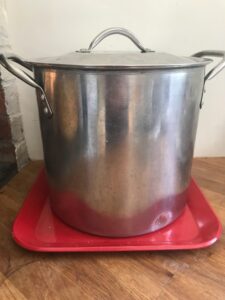
We compost all of our food scraps in a pile at the edge of the woods in our backyard. We use a large stainless steel soup pot with a lid to store foodscraps, which we empty 3 or 4 times a week. A pot like the one we have is very easy to find at a store like Marshalls, and also quite affordable. Composting very managable, and there are absolutely no unpleasant odors like the ones that come from kitchen trash (especially when it is so hot during the summer!). We started composting about 7 years ago, and we haven't put a single food scrap in the trash since. Composting is one of the simplest things you can do for the environment, so get started today!
A friend recommended this compost tumbler to us and it has been fantastic. I think we've been using this for over 10 years. It is…
best composter bin
Submitted by: Jessie Panek
best composter bin
Submitted by: Jessie Panek
A friend recommended this compost tumbler to us and it has been fantastic. I think we've been using this for over 10 years. It is made by Mantis, called the Mantis Compost-Twin. It turns easily with a handle on the side, has large 2 bins so you can be filling one while the other is 'finishing'. Very sturdy. I've never been happy with other types of composters, but this one is great.
We were fortunate enough to move into a home in Harvard that already had a wonderful garden and composting system. We never composted before moving…
Composting System
Submitted by: Lindsay Hunt
Composting System
Submitted by: Lindsay Hunt
We were fortunate enough to move into a home in Harvard that already had a wonderful garden and composting system. We never composted before moving to town, but now it is part of our regular routine. We use our 'seasoned' compost to fertilize the soil in our garden in the spring. This is the beginning of hopefully many other efforts we plan to take to reduce our carbon footprint/reduce waste.
We're becoming less and less reliant on multiple grocery trips by raising and growing the majority of our produce in our own yard.
Backyard composting led to backyard bounty!
Submitted by: Jennifer Smithwood-Green
Backyard composting led to backyard bounty!
Submitted by: Jennifer Smithwood-Green
We're becoming less and less reliant on multiple grocery trips by raising and growing the majority of our produce in our own yard.
We have been trying to chip away at being better environmentalists. We are avid composters and recently switched our process to barrel composting with 2…
Every little bit counts
Submitted by: Hugh Silk
Every little bit counts
Submitted by: Hugh Silk
We have been trying to chip away at being better environmentalists. We are avid composters and recently switched our process to barrel composting with 2 going so we can let fresh stuff rot and finish off the old compost. It all goes into the garden or the raspberry bushes. It is easy! We have recently convinced a number of other people to do it. Saves on garbage waste so saves you money, is good for the environment, and helps the garden grow - win, win, win!
Using a compost bin for your kitchen scraps and leftovers is a great way to take care of yourself and help your garden. When you…
Compost
Submitted by: Mutch Jiang
Compost
Submitted by: Mutch Jiang
Using a compost bin for your kitchen scraps and leftovers is a great way to take care of yourself and help your garden. When you put things like fruit and vegetable peels, coffee grounds, and eggshells into a compost bin instead of throwing them away, you’re not only cutting down on waste, but you’re also helping the planet.
The compost that you create from these scraps turns into rich soil that can make your plants grow strong and healthy. This simple process not only helps you get rid of waste in a better way, but it also gives your plants the nutrients to grow a healthy garden.
Have had and used for over 20 years. Does a good job of making nutrient rich compost we use for new plantings.
Compost tumbler
Submitted by: Don Ludwig
Compost tumbler
Submitted by: Don Ludwig
Have had and used for over 20 years. Does a good job of making nutrient rich compost we use for new plantings.
I've been composting for over 30 years, less going into the landfill and great for the soil.
Composting
Submitted by: Lee Major-Zupancic
Composting
Submitted by: Lee Major-Zupancic
I've been composting for over 30 years, less going into the landfill and great for the soil.