We have recently started shopping at Springdell Farm in Littleton. It sells the most beautiful variety of produce, including (but not limited to!) blueberries, strawberries,…
Amazing Local Produce!
Submitted by: Michele Buni
Amazing Local Produce!
Submitted by: Michele Buni
We have recently started shopping at Springdell Farm in Littleton. It sells the most beautiful variety of produce, including (but not limited to!) blueberries, strawberries, tomatoes, sugar snap peas, green beans, etc, and many items are picked fresh daily. Springdell is also women-owned, and based right in our community. In addition to produce, Springdell sells a variety of meat which is also produced on the farm. Given how harmful the factory farming industry is, it is especially important to be mindful about where we buy our meat. Springdell's is local, fresh, and produced using practices that are kind to the planet and the animals. If you've been looking for a way to shop for good, local food, this is the place!
https://www.springdellfarms.com/
Love reading in The Harvard Press what's fresh right now at farms around Harvard. Best for us is walking to Carlson Orchards and getting fruit…
Airplanes, ships, or short walk
Submitted by: David English
Airplanes, ships, or short walk
Submitted by: David English
Love reading in The Harvard Press what's fresh right now at farms around Harvard. Best for us is walking to Carlson Orchards and getting fruit grown half a mile for the house. No ships or planes needed!
we have been CSA members at Westward Orchard for a few years now. We love going in, being known by name and knowing our food…
Know your farmer!
Submitted by: Elizabeth Nees
Know your farmer!
Submitted by: Elizabeth Nees
we have been CSA members at Westward Orchard for a few years now. We love going in, being known by name and knowing our food came from our zip code. We also love the adventure of finding new recipes to go with whatever comes in the box each week.
We have enjoyed our Community Supported Agriculture (CSA) share boxes from Westward Orchards for many seasons now. Support your local farm, your community and the…
We love our CSA
Submitted by: Connie Woolcock
We love our CSA
Submitted by: Connie Woolcock
We have enjoyed our Community Supported Agriculture (CSA) share boxes from Westward Orchards for many seasons now. Support your local farm, your community and the earth!
One of the first things we did when we moved to town earlier this year was sign up for Westward Orchards CSA. Our half-share covers…
CSA is the Way!
Submitted by: Teresa Wolf
CSA is the Way!
Submitted by: Teresa Wolf
One of the first things we did when we moved to town earlier this year was sign up for Westward Orchards CSA. Our half-share covers all of the produce we need in a week, and we get a discount on any additional fruits and vegetables grown at the farm! It's important to support our local businesses, and our CSA is one of our investments in the community.
Our household started using our local CSA from Westward orchards 3 years ago, and as well as diversifying our diet, it supported our local farm.…
CSA From Westward
Submitted by: Eric Charles
CSA From Westward
Submitted by: Eric Charles
Our household started using our local CSA from Westward orchards 3 years ago, and as well as diversifying our diet, it supported our local farm. We also had to go to the grocery store much less, and the farm was always jsut around the corner.
We've been a member of the Chestnut Farm's CSA for many years. We do this to contribute to a reduced carbon footprint, a more environmentally…
Meat CSA
Submitted by: Amy Morton
Meat CSA
Submitted by: Amy Morton
We've been a member of the Chestnut Farm's CSA for many years. We do this to contribute to a reduced carbon footprint, a more environmentally responsible and sustainable ecosystem and more humane conditions for the animals.
One of our favorite local farms is Old Frog Pond Farm. It's an annual tradition for us to pick raspberries there, but sometimes we stop…
So many to choose from!
Submitted by: Shannon M
So many to choose from!
Submitted by: Shannon M
One of our favorite local farms is Old Frog Pond Farm. It's an annual tradition for us to pick raspberries there, but sometimes we stop by the farm stand too!
We transformed a big section of the front lawn to a vegetable garden when we moved in. We grow more than we can eat in…
Growing our own food
Submitted by: Charlotte Vallaeys
Growing our own food
Submitted by: Charlotte Vallaeys
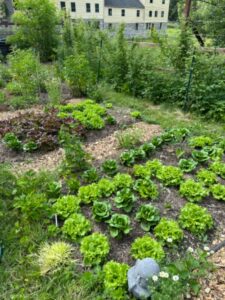
We transformed a big section of the front lawn to a vegetable garden when we moved in. We grow more than we can eat in the summer and fall, so we end up freezing and canning a lot of it for winter.